Book binding is one of those decisions that can make or break a finished product, and yet it often gets left until the last minute. If you’re a printer, designer, or business owner trying to figure out whether perfect binding or case binding is right for your next project, the good news is that the answer usually comes down to a few practical factors: purpose, budget, and how long the book needs to hold up. Let’s walk through both methods so you can go into your next project with confidence.
What Is Perfect Binding?
Perfect binding is the method used for most paperback books, catalogs, and trade publications you see every day. Pages are gathered into a block, the spine is roughened slightly, and a strong adhesive bonds the pages to a wraparound cover. The result is a clean, flat spine that can be printed on, making it ideal for thicker publications that need to look polished on a shelf or in a client’s hands.
For many of the printers and marketing firms we work with across North Royalton, North Olmsted, and surrounding areas, perfect binding is the go-to choice for annual reports, product catalogs, training manuals, and thick booklets. It’s cost-effective at volume, it finishes beautifully, and it works well with both offset and digital printing. We also offer PUR Perfect Bind book services, which use a more flexible and durable adhesive than standard EVA glue. PUR binding holds up better under stress, in varying temperatures, and with coated stocks that traditional glue sometimes struggles to grip properly.
The main limitation of perfect binding is page count. Very thin books (roughly fewer than an eighth of an inch of pages) won’t have enough spine width to bind cleanly. And while PUR improves durability significantly, a perfect-bound book is still a softcover product at heart.
What Is Case Binding?
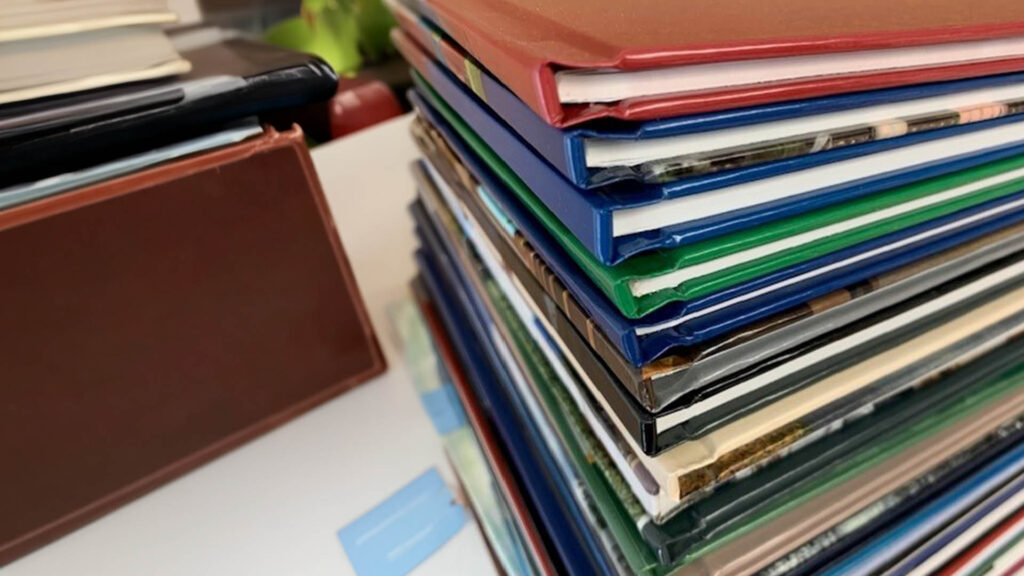
Case binding is how hardcover books are made. Signatures (folded groups of pages) are sewn or glued together, then attached to a rigid cover, or “case,” typically made from boards wrapped in cloth, paper, or leather. The result is a book that can withstand decades of use. Think reference books, coffee table books, journals, and anything that needs to project permanence and quality.
We see demand for case-bound work from clients who want a product that communicates real value, whether that’s a commemorative company history, a high-end portfolio, or a professional reference guide. The process is more labor-intensive than perfect binding, so the cost per unit is higher and production timelines are longer. But for the right project, there’s simply no substitute for the feel of a hardcover book.
Comparing the Two: How to Choose
The honest answer is that neither method is universally better. They serve different purposes, and the right choice depends on what your project actually needs to do.
If your priority is cost efficiency, a clean professional look, and moderate durability, perfect binding (especially PUR) is almost always the stronger choice. It’s faster to produce, more affordable at scale, and more than capable of handling the rigors of everyday business use. Catalogs, training materials, and marketing publications almost always land here.
If your project needs to stand up to heavy, repeated use over many years, or if the physical quality of the book itself is part of the message you’re sending, case binding is worth the investment. A law firm’s reference manual, a photographer’s portfolio, or a legacy publication for a long-standing organization will benefit from the weight and permanence that a hardcover delivers.
Budget and timeline factor in too. Case binding requires more hands-on production time, so if you’re working against a tight deadline or a limited print budget, that’s a real consideration. On the other hand, cutting corners on binding for a book that genuinely needs to last is a cost that tends to show up later.
How We Can Help
We’ve been serving the graphic arts and printing community since 1976, and book binding has been a core part of what we do for all of it. Printers, designers, and businesses from North Royalton and North Olmsted to communities across Cuyahoga County and the broader Ohio and Indiana region trust us with projects that need to come out right. James Tidd and our team work directly with clients to think through these decisions, not just run the job through and ship it out.
Whether you’re leaning toward PUR perfect binding for a catalog run or exploring case binding for something more permanent, we’re glad to talk through the specifics of your project. Give us a call or drop us an email and we’ll help you figure out which approach makes the most sense for what you’re building.